
How Do Mortgage Lenders Calculate Affordability?
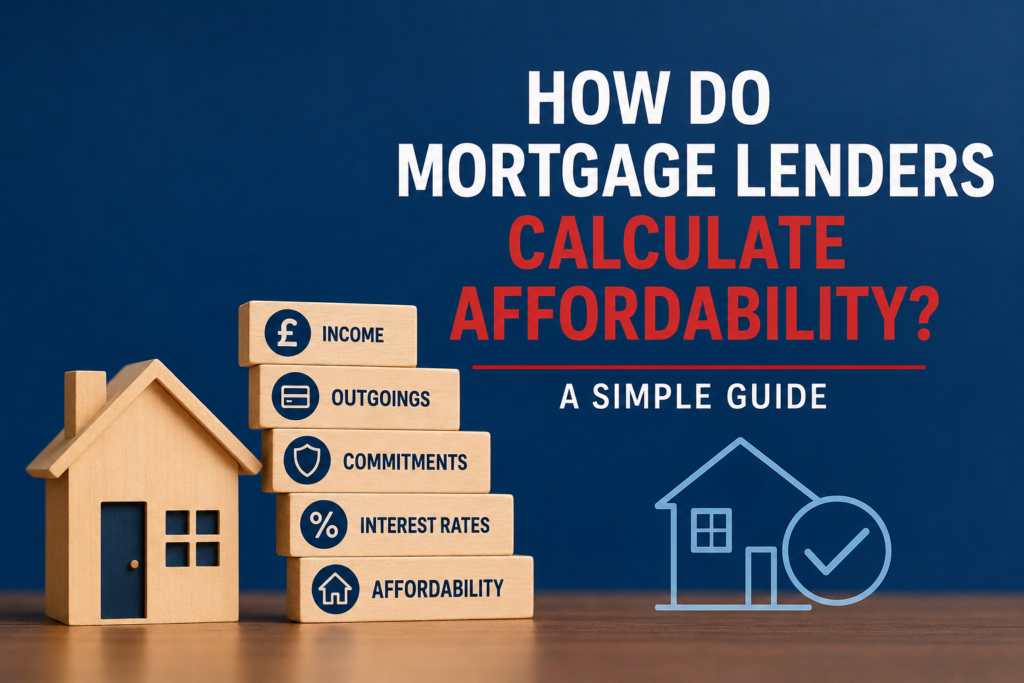
Mortgage affordability is about more than multiplying your salary by four or checking whether you can manage today’s monthly repayment. Before approving a mortgage, a lender will assess whether you are likely to afford the payments throughout the mortgage term. This normally includes reviewing your income, household expenditure, existing debts, credit history, deposit and the […]
Specialist Mortgages for Complex Income Explained

A complicated income structure does not necessarily mean you cannot get a mortgage. Many applicants earn enough to afford a property but do not receive one simple monthly salary. You might be self-employed, operate through a limited company, work on contracts, earn commission or receive income from several sources. A standard automated assessment may not […]
Can I Improve My Credit Score Before Applying?
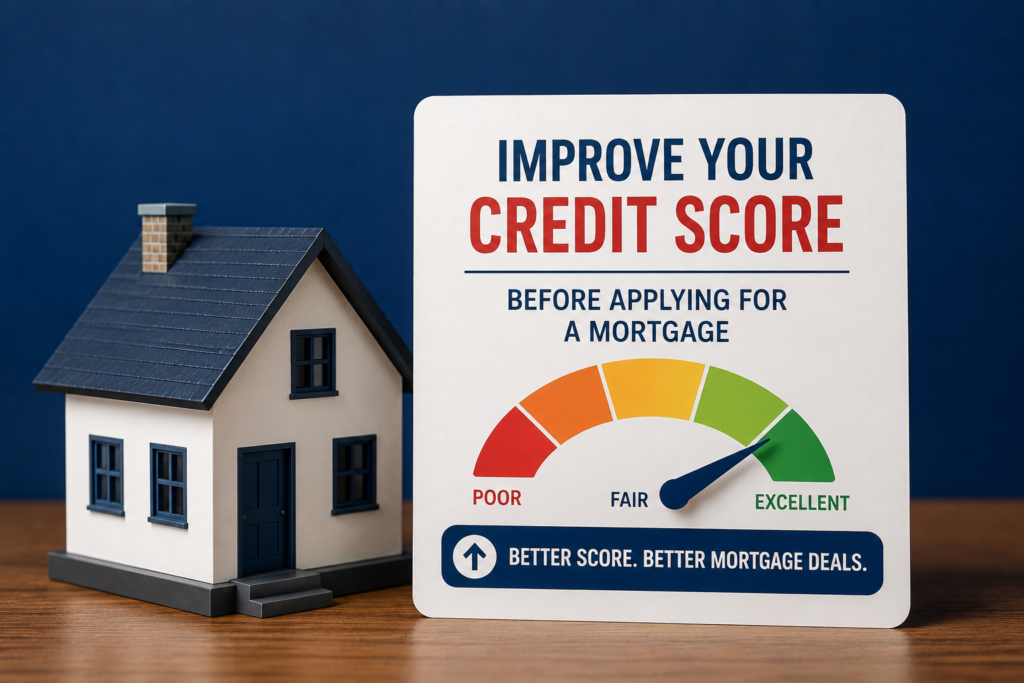
Yes, you can take practical steps to improve your credit profile before applying for a mortgage. Checking your credit reports, correcting inaccurate information, paying commitments on time and reducing reliance on borrowing may all strengthen your position. However, improving a credit score does not automatically guarantee mortgage approval or a lower interest rate. Mortgage lenders […]
Can Payday Loans Affect Your Mortgage Application?
Payday loans can affect a mortgage application in the UK, even when they have been repaid on time. Mortgage lenders assess more than your income and deposit. They may review your credit history, recent borrowing, current debts, bank statements and monthly expenditure to decide whether the proposed mortgage is affordable. A payday loan on your […]
How Mortgage Lenders Assess Adverse Credit Applications
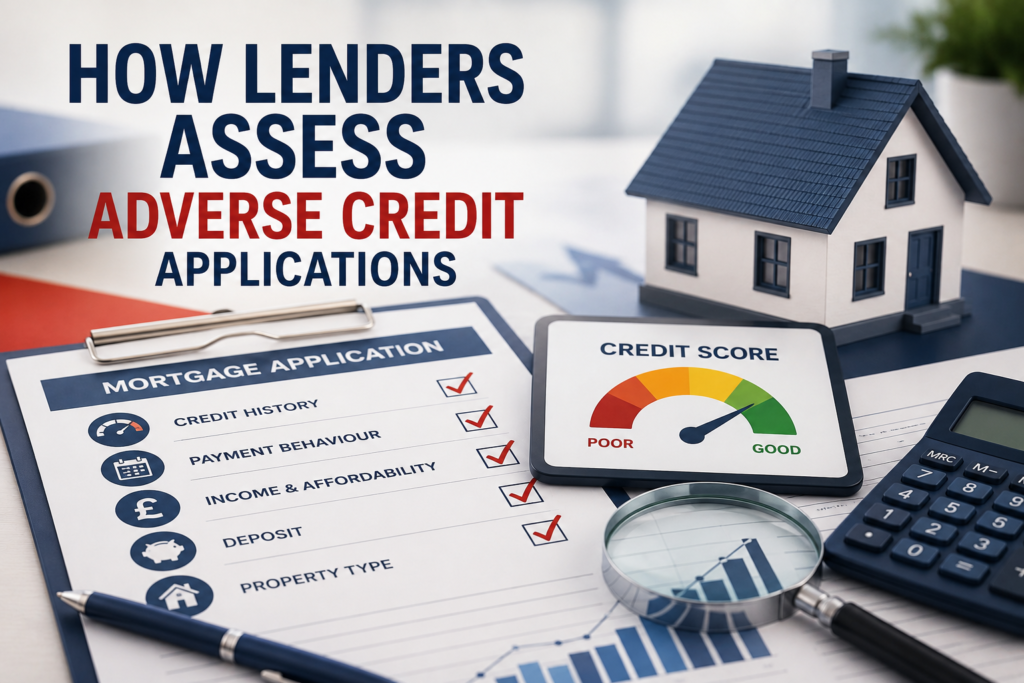
Applying for a mortgage can feel more complicated when your credit history includes missed payments, defaults, County Court Judgments or another form of adverse credit. However, adverse credit does not automatically mean that every mortgage lender will decline your application. UK lenders use different eligibility rules. Some accept only minor or historic credit problems, while […]
Can I Get a Mortgage After Bankruptcy?

Going through bankruptcy can feel overwhelming, particularly when you begin thinking about your future financial plans. You may be wondering: Can I get a mortgage after bankruptcy? The answer is that getting a mortgage after bankruptcy may be possible, but it usually requires time, careful financial preparation and an application to a lender whose criteria […]
Topic: Can I Get a Mortgage After a CCJ?

Can I Get a Mortgage After a CCJ? Having a County Court Judgment can feel like a major roadblock when trying to secure a mortgage in the UK. Whether you are looking to buy your first home, remortgage your current property or invest in a buy-to-let property, you may be concerned about how a CCJ […]
Will Missed Payments Stop Me Getting a Mortgage?
If you have missed a payment on a credit card, personal loan, overdraft, mobile phone contract or household bill, you may be worried that it will stop you from getting a mortgage. Your credit history plays an important role when applying for a UK mortgage. However, having a missed payment does not automatically mean that […]
Can Retained Profits Help Mortgage Affordability?

For many company directors and self-employed business owners, the income shown on a personal tax return does not always reflect the full financial strength of the business. You may keep some of your company’s profit inside the business rather than withdrawing everything as salary or dividends. These retained profits can support business growth and financial […]
Mortgages for Freelancers in the UK: A Simple Guide to Getting Approved

Being your own boss has many advantages, but applying for a mortgage can sometimes feel more complicated when you work for yourself. Freelancers often worry that lenders will view their income as unpredictable or risky. However, being self-employed does not automatically prevent you from getting a mortgage. There are mortgage options for freelancers in the […]
Can I Get a Mortgage if I’ve Recently Become Self-Employed?
Recently becoming self-employed does not automatically stop you from getting a mortgage. However, your options may be more limited because lenders have less financial history to use when assessing your income. The strength of your application will depend on how long you have traded, how your business is performing and what evidence you can provide. […]
Mortgages for Contractors Explained Simply
Getting a mortgage as a contractor can seem more complicated than applying as a permanent employee. Contractors may work through fixed-term agreements, umbrella companies or their own limited companies. Their income can therefore appear less predictable to lenders, even when they earn consistently. The good news is that mortgages for contractors are available in the […]
Can Limited Company Directors Get a Mortgage Easily?

Getting a mortgage as a limited company director is entirely possible, but the application may require more preparation than it would for someone receiving a straightforward monthly salary. Directors often take income through a combination of salary and dividends. Some also leave profits within the business rather than withdrawing everything personally. As lenders assess these […]
Can Directors Use Salary and Dividends for Mortgage Affordability?
Yes, company directors can often use a combination of salary and dividends for mortgage affordability. However, directors are frequently assessed differently from standard employees. The lender may examine not only the income paid to you personally but also your shareholding, company accounts, recent performance and whether your dividends appear sustainable. Understanding these requirements before applying […]
How Many Years of Accounts Do I Need for a Mortgage?

Applying for a mortgage in the UK can feel overwhelming, especially if you are self-employed, a company director, or running your own business. One of the most common questions applicants ask is: “How many years of accounts do I need for a mortgage?” In most cases, mortgage lenders may ask self-employed applicants for two to […]
What Is a Product Transfer Mortgage? A Simple Guide for UK Homeowners
What Is a Product Transfer Mortgage? If you have a mortgage in the UK, you may have heard the term “product transfer mortgage” or “mortgage rate switch”. But what exactly does a product transfer mean? Could it reduce your mortgage payments or make your monthly costs more predictable? A product transfer allows you to switch […]
Can Self-Employed People Get a Mortgage?
If you’re self-employed in the UK and wondering, “Can self-employed people get a mortgage?”, the answer is yes. Whether you’re a sole trader, freelancer, contractor, limited company director, or business owner, many UK lenders offer self-employed mortgages for both residential and buy-to-let properties. However, the mortgage application process for self-employed borrowers is often different from […]
What Fees Are Involved in Remortgaging? A Clear Guide for UK Homeowners
What Fees Are Involved in Remortgaging? If you are thinking about remortgaging your home, it is important to understand the potential costs involved. Remortgaging can be a useful way to lower your monthly mortgage payments, release equity or switch to a different type of mortgage. However, remortgaging fees can sometimes catch homeowners by surprise. This […]
How Long Does Remortgaging Take? A Clear Guide for UK Homeowners

How Long Does Remortgaging Take? If you are thinking about remortgaging your property, one of the key questions on your mind might be: how long does remortgaging take? Whether you want to switch from a fixed rate to a variable rate, move from a residential mortgage to a buy-to-let mortgage, or simply secure a better […]
What Happens If I Stay on My Lender’s Standard Variable Rate?

When your fixed or tracker mortgage deal comes to an end, many borrowers face an important decision: Should you switch to a new mortgage deal or stay on your lender’s standard variable rate? Understanding what happens if you stay on your lender’s standard variable rate is important because it could affect your monthly mortgage payments, […]
How Much Income Do I Need to Buy a House? UK Mortgage Guide

How Much Income Do I Need to Buy a House? Buying a house is one of the biggest financial steps many people take in the UK. Whether you are a first-time buyer, moving up the property ladder, or investing in a buy-to-let property, knowing how much income you need to buy a house is an […]
What Happens if Mortgage Rates Rise?

When mortgage rates rise, it can feel like a major financial change. For UK homeowners, first-time buyers and buy-to-let landlords, rising mortgage rates can affect monthly payments, affordability, remortgage options and long-term financial planning. Whether you have a fixed rate mortgage, a variable rate mortgage, a residential mortgage or a buy-to-let mortgage, understanding how rising […]
Is Using a Mortgage Broker Worth It? A Clear Guide for UK Homebuyers

What Does a Mortgage Broker Do? Simply put, a mortgage broker is a middleman between you and mortgage lenders. They work with multiple lenders to find mortgage deals that suit your situation — whether you want a residential mortgage, a buy-to-let mortgage, or a fixed or variable rate mortgage. Instead of you spending hours researching […]
What Is a Mortgage Term and How Long Should It Be?

What Is a Mortgage Term? Buying a home or investing in property often means taking out a mortgage. But when you start looking at mortgage options, one important factor you’ll encounter is the mortgage term. If you’re wondering what a mortgage term actually means, how long it should be, and what it means for your […]
Can I Overpay My Mortgage? A Simple Guide for UK Homeowners

Can I Overpay My Mortgage? Overpaying your mortgage can be a smart way to reduce your debt more quickly and potentially save on interest payments. But is it something you can do with every type of mortgage? And what should you be aware of before making extra payments? In this blog, we’ll explain clearly how […]
What Happens at the End of a Fixed Mortgage Deal?

What Happens at the End of a Fixed Mortgage Deal? If you’re coming to the end of your fixed mortgage deal, it’s important to know what your options are and what to expect next. A fixed mortgage offers peace of mind with set payments for an agreed period usually 2, 3, 5, or 10 years […]
What is a Repayment Mortgage? A Simple Guide for UK Homebuyers
What is a Repayment Mortgage? Buying a home is one of the most significant financial decisions you may make, and understanding the different types of mortgages available is essential. One of the most common mortgage types in the UK is a repayment mortgage. But what exactly is a repayment mortgage, and how does it work? […]